
This guide walks through the full process: what real prep work looks like, how to pick the right finish for each room, how long a professional job actually takes, and what to ask before anyone picks up a brush.
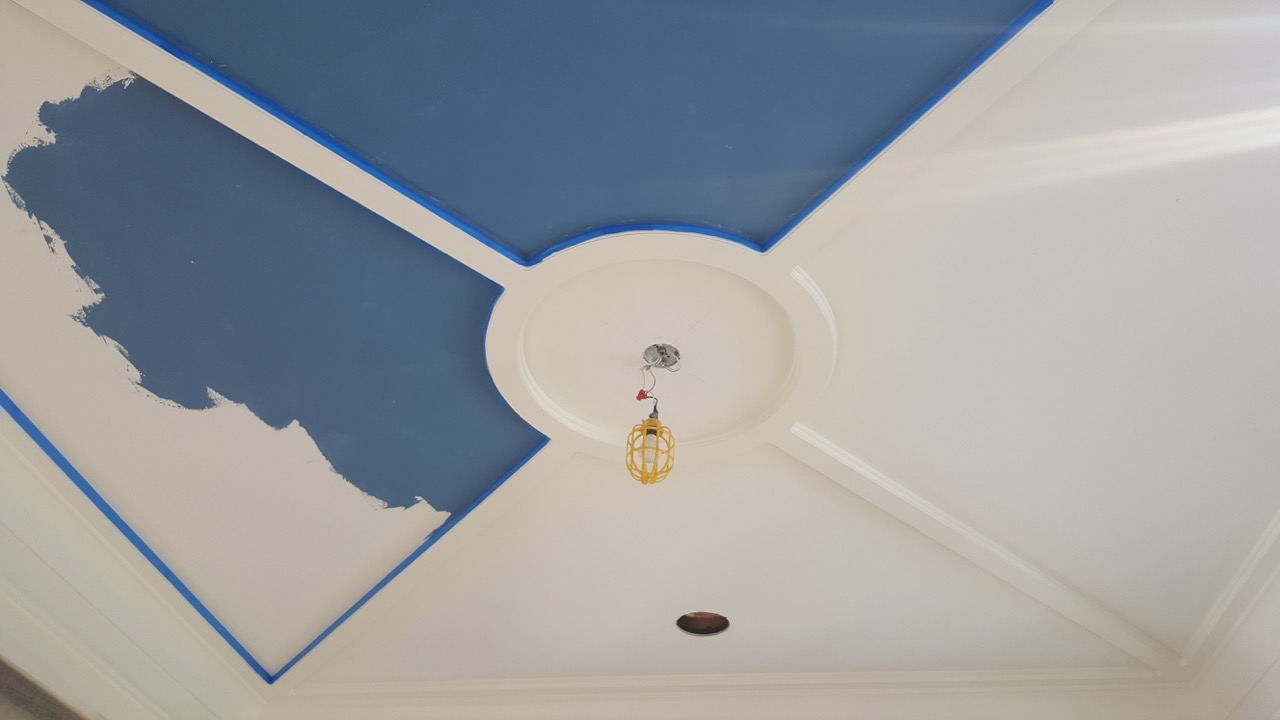
Most interior painting projects go sideways in the first hour. Not because of the paint. Because of what did not happen before the paint. Prep is 70% of the job.
This guide walks through the full process: what real prep work looks like, how to pick the right finish for each room, how long a professional job actually takes, and what to ask before anyone picks up a brush. If you have been on the fence about DIY versus hiring a pro, this will give you a straight answer.
A fresh coat of paint does more than change a color. It changes how a room feels. If you have been putting it off — scuffed hallway walls, a bedroom that has not changed since 2009, a kitchen that is overdue — this is the guide that tells you exactly what happens when you bring in a pro.
No mystery. No surprises. Just the job, explained.
DIY painting looks manageable right up until you are halfway through and it looks worse than when you started.
Drips. Streaky coverage. Roller marks under the light. Tape that bled under the edge. It happens. Not because homeowners are not capable. Because the difference between a decent paint job and one that actually holds up is in the prep work, and most people skip it.
A professional interior painting job comes with the tools and the patience to do it right. Smooth walls at every angle. Sharp edges. A finish that lasts years, not months.
For small touch-ups, a closet, a single patch, a low-stakes accent wall, DIY is fine. For anything bigger, especially in homes with high ceilings, detailed trim, or older plaster walls, a pro saves you more time than it costs money. We have been working in homes across Chicagoland since 2003. We have seen what happens when prep gets skipped.
Seventy percent of a professional paint job is preparation. Not painting. Prep.
That is not an exaggeration. It is how the time actually breaks down on every job we do. And it is why a project that skips prep always ends up looking like it skipped prep.
Here is what it actually looks like:
Furniture and protection. We move or cover everything. Drop cloths go down. Plastic goes over anything that stays in the room. If you have antique furniture or built-ins that matter to you, tell us upfront. We treat it accordingly.
Wall inspection and repair. We look for holes, cracks, and dents. We fill them, sand them flat, and get the surface smooth before a brush touches anything. Older homes, the kind with plaster walls common in Wheaton and Elmhurst, sometimes need more work here. We do not rush it.
Sanding and priming. If the surface calls for it, it gets it. Primer goes on when we are covering a dark color, dealing with stains, or working over raw drywall. It is not optional when the job needs it.
Taping and masking. Every piece of trim. Every window frame. Every floor edge. Done with professional-grade tape so the lines come out clean. This is where most DIY projects fall apart, and where we do not cut corners.
Good prep means the paint goes on right and stays on. Bad prep means someone is calling us back in two years to fix it. We would rather do it once.
Once prep is done, the painting itself moves at a steady pace. Here is the order:
Color selection. Not sure what you want? We can help. We look at the room, the natural light, the trim, the flooring, and give you a straight read on what is going to work. A lot of open-concept spaces do well with soft neutrals. Cozier rooms can handle something warmer. We have seen both go right and both go wrong. We will tell you which direction makes sense.
Priming when it is needed. Not every job needs primer. Some do. We will tell you which and why before we start.
Cutting in and rolling. Brush work on the edges, rollers on the broad surfaces. We work room by room so there are no wet edge problems and no lap marks.
Second coat. Standard on almost every job. One coat rarely gives you the depth or durability that holds up over time.
Touch-ups and final inspection. We check under different lighting before we call it done. Anything that does not meet the standard gets fixed before we leave.
Walkthrough with you. We go through the finished work together. If something is not right, we make it right.
Want to see what a finished project looks like? Browse our gallery.
Scope drives the timeline. Here is what to expect:
A single room, a bedroom or living room, usually takes one to two days. That covers prep, two coats, and cleanup.
A full house repaint runs five to ten days depending on square footage, ceiling height, and how much trim detail is involved.
Older homes with textured or damaged walls, or rooms that need significant repair before painting, can add time. We tell you that upfront rather than rush through it and leave you with work that does not hold.
You can stay in the home while we work. We go room by room, keep areas ventilated, and schedule around your household when we can. Families with kids or pets, we work with your routine, not against it.
We give you a clear timeline before we start. No guessing on your end.
The paint matters. The finish matters more than most people realize.
Bedrooms and ceilings. Flat or matte. Hides surface imperfections, creates a soft look. Bedrooms do not see enough wear to need anything tougher.
Living rooms, dining rooms, hallways. Eggshell or satin. A low sheen that wipes clean without looking like a hospital wall. Good balance between durability and feel. The right call for high-traffic common areas.
Kitchens, bathrooms, trim. Semi-gloss. Moisture-resistant, easy to clean, stands up to real daily use. Anywhere humidity or grease is a factor, this is what goes on.
We work with Sherwin-Williams and Benjamin Moore. Both give strong coverage, accurate color, and low-VOC options that dry faster and smell less. We will point you to the right product for the right room.
For more on what we offer, see our full interior painting and wallpaper services.
How often does interior paint need to be refreshed? Every five to ten years is typical. High-traffic areas like hallways, kitchens, and kids' rooms hit the lower end. Guest rooms and low-use spaces can go longer.
Do I need to be home while you work? Not necessarily. We can work with a trusted access arrangement. Most clients prefer to be around for the initial walkthrough and the final inspection.
What about fumes? Modern low-VOC paints are a lot better than they used to be. We ventilate properly and sequence the work so rooms air out quickly. Most families do not find it disruptive.
How do I prepare before the crew arrives? Clear small items off shelves and put anything valuable somewhere you know it is safe. We handle the furniture, drop cloths, and tape. Here is what else to expect when you book with us.
The job is straightforward. Show up on time, prep it right, apply it clean, leave the place better than we found it.
If you are ready to get started, request a free estimate or give us a call. We will walk through the scope with you, give you a straight number, and get it on the calendar.
Chris Painting & Remodeling has been a trusted name in painting and home remodeling throughout the Chicago, IL area since 2003. We proudly serve homeowners and businesses with top-quality interior and exterior painting, kitchen and bathroom remodeling, basement finishing, flooring installations, and home improvement services. We proudly service our neighbors and neighboring cities and towns such as:
Your home deserves the best! With Chris Painting & Remodeling you can expect expert craftsmanship, high-quality materials, and a team that’s dedicated to getting the job done on time and on budget. We're ready to make your vision a reality, give us a call or get your free quote today.

We're here to help make you your house into your home. Reach out via this online form to get a quote on your next service, or reach out during business hours via the phone number below. We can't wait to hear from you!
Monday - Friday: 8am - 5pm
Saturday: 9am - 1pm
Sunday: CLOSED